

From Research to Reality: A Four-Hour UX Sprint for Turning Insights Into Design Decisions
Many product teams collect valuable user feedback but struggle with the next step: transforming research findings into real design decisions. The issue is often not a lack of information, but a failure to activate that knowledge during the product process.
Teams interview users, analyse behaviour, create research documents, and share findings, yet development often continues based on assumptions instead of evidence. The insights exist, but they do not always influence what gets built.
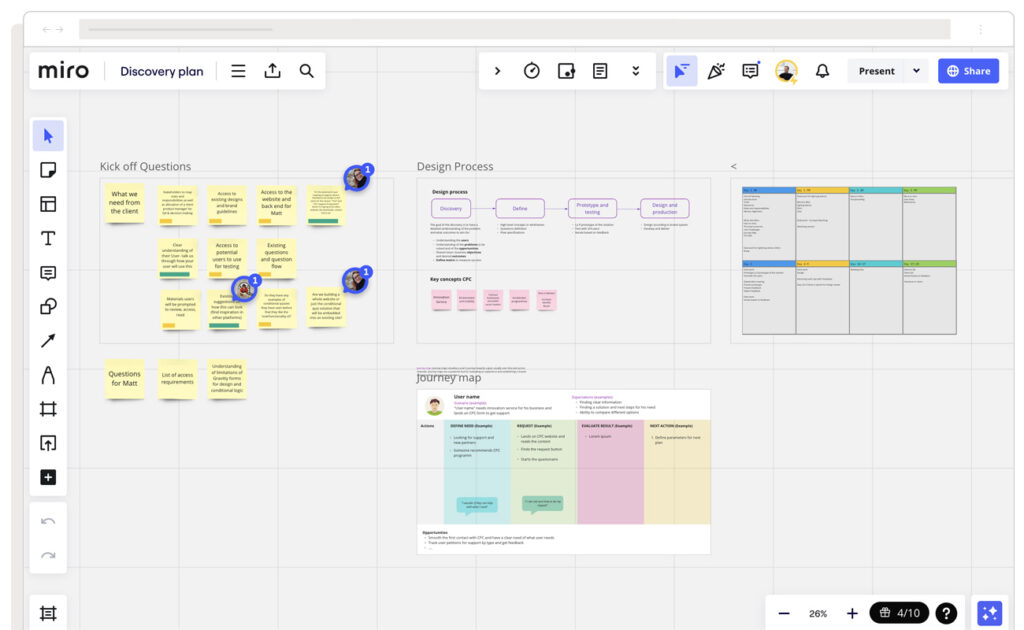
A focused four-hour UX workshop can help solve this gap by turning research into practical design direction. This approach takes the most valuable parts of a traditional design sprint and condenses them into a shorter, highly structured session.
The goal is not simply to move faster. The real value comes from creating alignment before design work begins. By the end of the workshop, teams should have a clear understanding of the user problem, several possible directions, a selected concept, and enough detail to begin creating early design solutions.
The four-hour format works because it removes unnecessary complexity while keeping the parts that create the most impact: defining the challenge, exploring examples, generating ideas independently, and combining the strongest ideas into one direction.
Why a shorter sprint format works
A full design sprint usually requires several days of dedicated work, which can be difficult for teams focused on smaller improvements, early ideas, or specific product challenges.
A shorter version keeps the strategic thinking but removes activities that require extended time, such as building advanced prototypes or running full user testing sessions. Instead, it focuses on the decisions that need to happen before detailed design begins.
The limited timeframe creates discipline. Participants know the session has a fixed ending, which encourages focused discussions, faster decisions, and fewer unnecessary debates.
The process begins with defining the challenge
Before thinking about solutions, the team needs to agree on the problem they are solving. This stage transforms broad business goals into user-focused challenges.
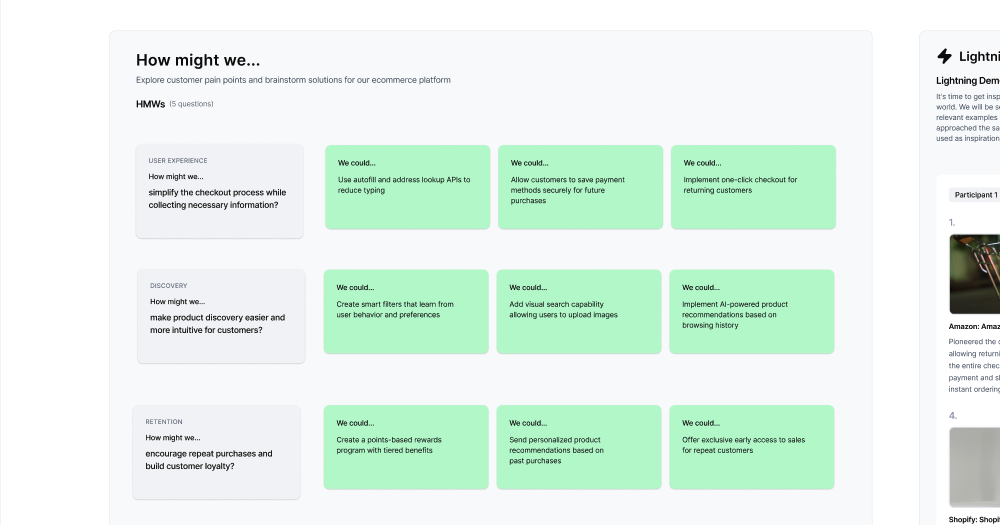
A useful method is creating “How Might We” questions. These statements help reframe internal goals into opportunities centered around user needs.
Instead of saying, “We need customers to complete more purchases,” a team might ask, “How might we help users feel confident before confirming their order?”
These questions are created from research findings, interviews, analytics, and observed user behaviour. During the workshop, participants review possible challenges, organize them, and vote on the areas that deserve the most attention.
This creates a shared starting point where everyone understands the same problem before discussing solutions.
The next step is exploring inspiration
Once the challenge is clear, the team looks at existing examples of successful solutions. Participants bring references from different products, industries, and experiences that relate to the problem.
The purpose is not to copy existing ideas. Instead, these examples help identify patterns, interactions, and approaches that might inspire a better solution.
Looking at outside examples expands the team’s thinking and prevents everyone from staying limited by their usual assumptions.
Individual concept creation
After gathering inspiration, each participant works independently to develop a possible solution.
This stage is intentionally quiet. Instead of immediately discussing ideas as a group, everyone sketches their own concept and explains the reasoning behind their decisions.
Individual thinking helps avoid common workshop problems where the first suggestion dominates the conversation or louder voices influence the entire direction.
Simple sketches are enough. The purpose is not to create polished designs, but to communicate a possible user journey and explain how the idea solves the identified challenge.
Bringing ideas together
After everyone presents their concept, the group reviews the strongest elements from each idea.
The goal is not to choose one person’s design as the winner. Instead, the team combines useful ideas into a single direction that reflects shared thinking.
At this point, the group creates a clearer concept with a defined journey, important features, assumptions, and possible limitations.
The result is a practical foundation for moving into wireframes and further design work.
What teams gain from the sprint
A successful session produces several valuable outcomes.
The first is a clearly defined user problem that everyone understands.
The second is a shared concept created through collaboration rather than individual opinions.
The third is a list of requirements, assumptions, and possible edge cases that guide the next stage.
Most importantly, the team leaves with alignment. Everyone involved understands what is being built, why it matters, and who it is designed for.
The importance of preparation
The quality of the sprint depends heavily on the quality of the research behind it. Strong user insights create stronger challenges and lead to more meaningful solutions.
Before running the workshop, it helps to review existing research, identify major user frustrations, and speak with important stakeholders to uncover possible disagreements early.
A sprint can accelerate clarity, but it cannot replace missing information. If the initial understanding of users is weak, the process may simply move confusion faster.
When research is properly prepared and the workshop is structured well, a four-hour sprint becomes a powerful bridge between understanding users and creating better experiences.